Plastic in my habitat
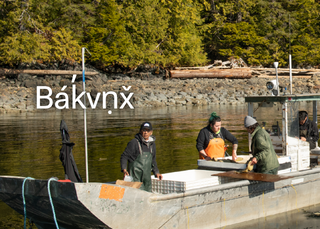
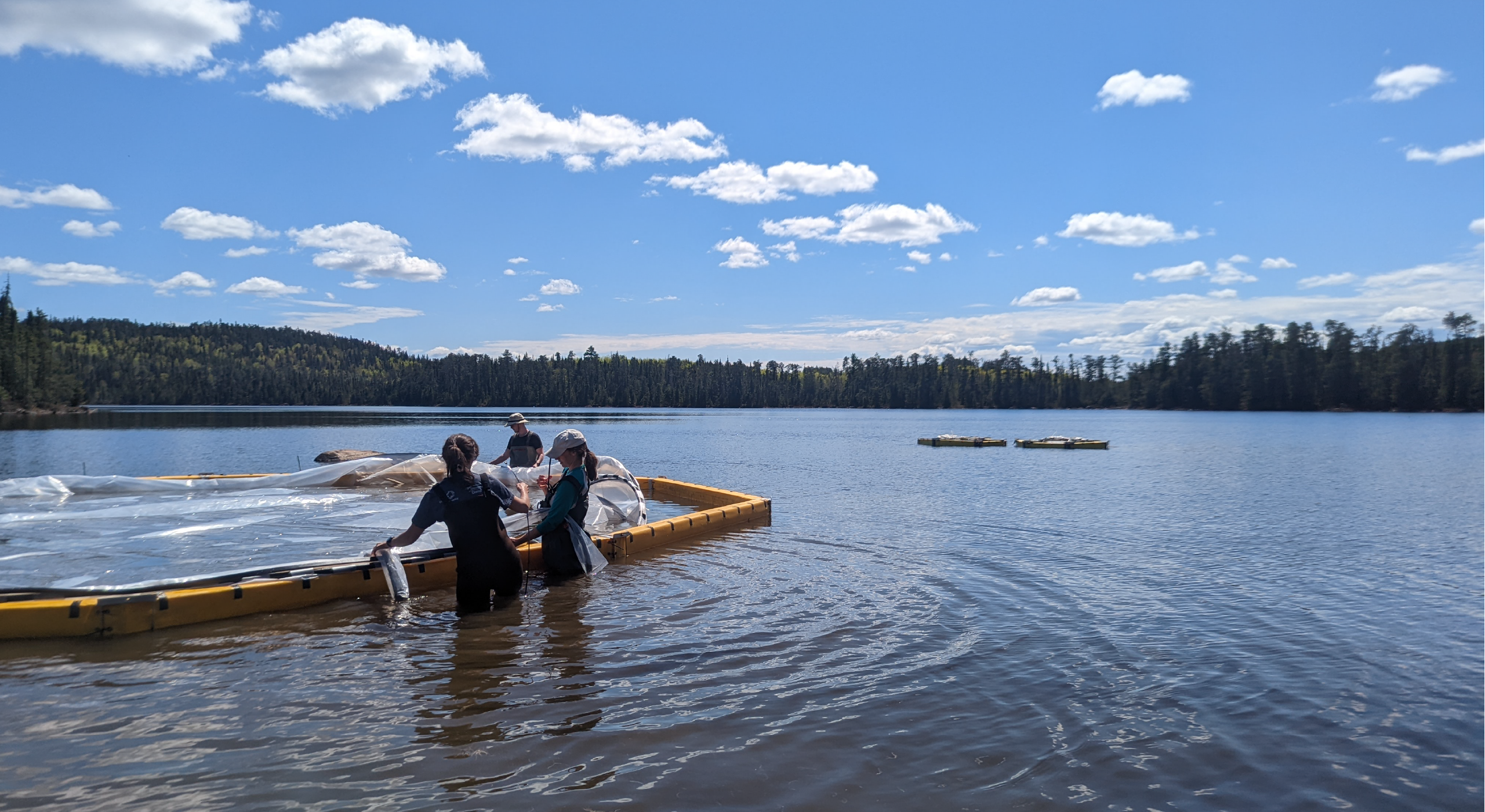
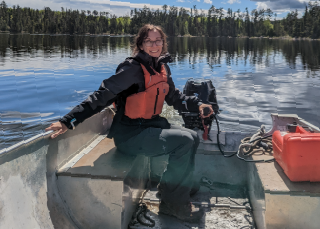
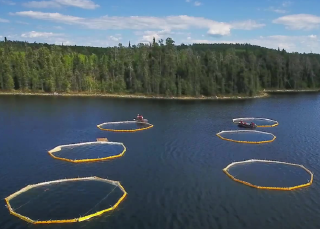
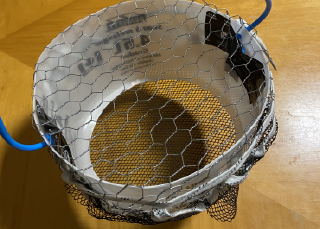
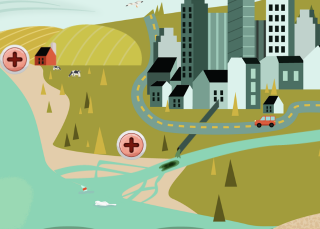
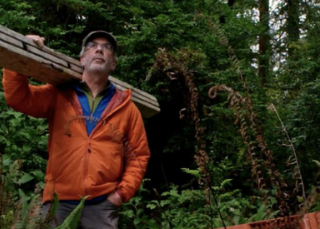
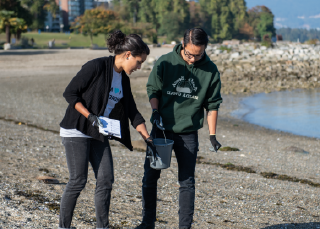
How does plastic impact habitats and ecosystems? Plastic is not just a human problem. It impacts every habitat and ecosystem! This includes the Great Lakes and the ocean, because they are downstream from our homes, industries, and roads! In this collection, you will learn about the plastic cycle and how animals at every level of the food web are impacted by microplastic. Join a fisher and Coastal Action scientist Jessie McIntyre off the coast of Nova Scotia to hunt for ghost gear. Then travel to a living laboratory in North Western Ontario with scientist Chelsea Rochman to study microplastics in the environment!
Media Type
- Interactive

- Video

We made this collection with the University of Toronto Trash Team. This partnership was born out of a shared love for our waterways, environmental education, and scientific research. The U of T Trash Team has generously provided expertise on plastic pollution and solutions to decrease waste. We have adapted lessons and activities from their education resources, and their team has meticulously validated the content in English and French. We are grateful for their support and friendship! Click here to learn more about the U of T Trash Team.
In this collection
- 7 resources
- Adventure Time 1 h 6 min
- Activity Time 10 h 30 min
Thanks to
Partners



Make the most of your Ocean School adventure!
Tips, tricks, and recommended resources
- 1
Plastic in my habitat — At-a-glance Guide
A quick guide to Ocean School’s “Plastic in My Habitat” collection
- 2
Take action guide
Find out how Ocean School supports learners in applying their knowledge to make change. Read tips for how to help your students take action.
- 3
21st Century skills resource hub
Visit the 21st Century Skills Resource Hub created by Sun West School Division in Saskatchewan.
Li Europan lingues es membres del sam familie. Lor separat existentie es un myth.