Educator Voices
Learning Together: Exploring Biology & Chemistry Alongside Sustainable Nunatsiavut Futures
By Alyssa DeLeon
A look at the resource
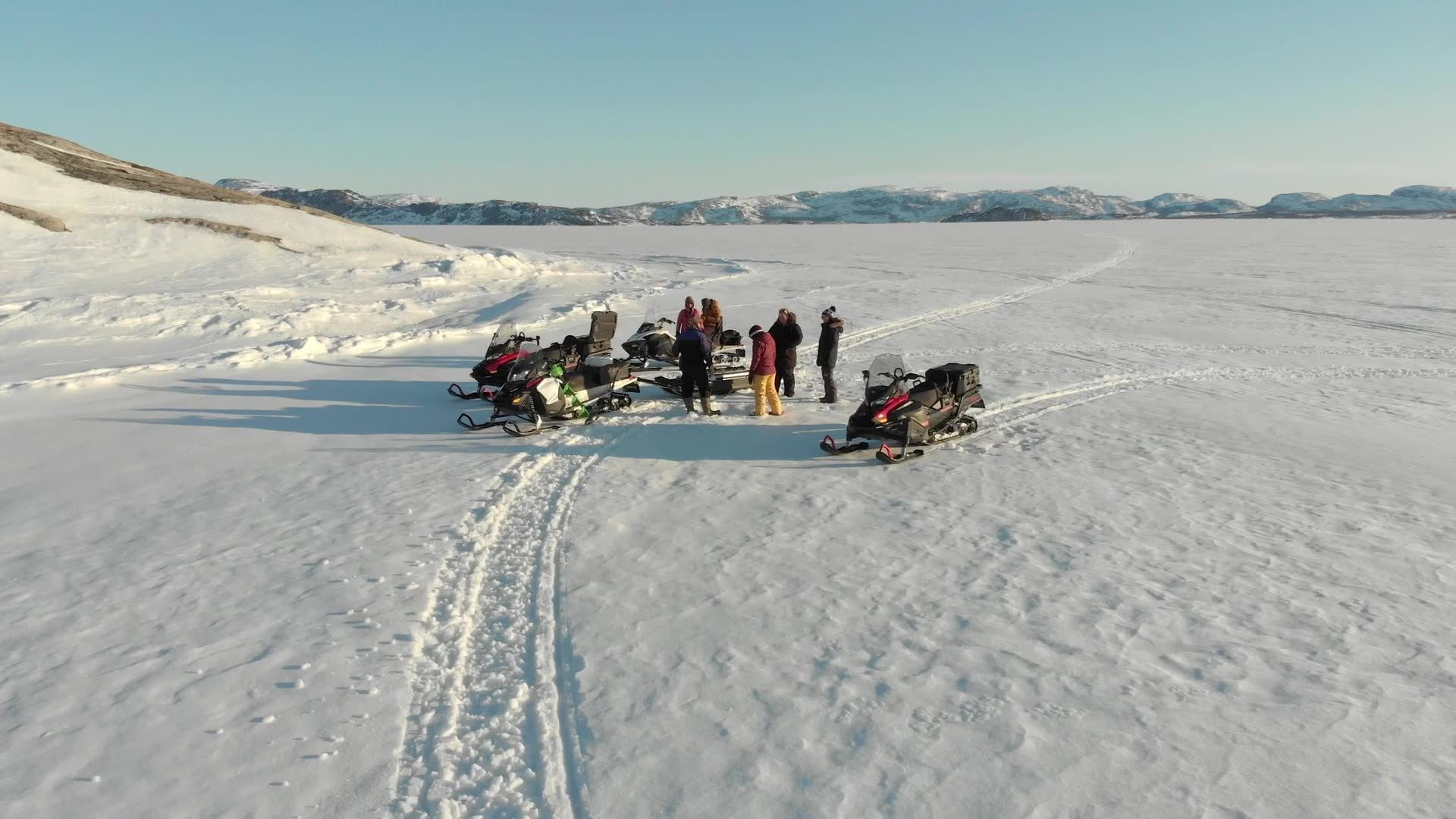
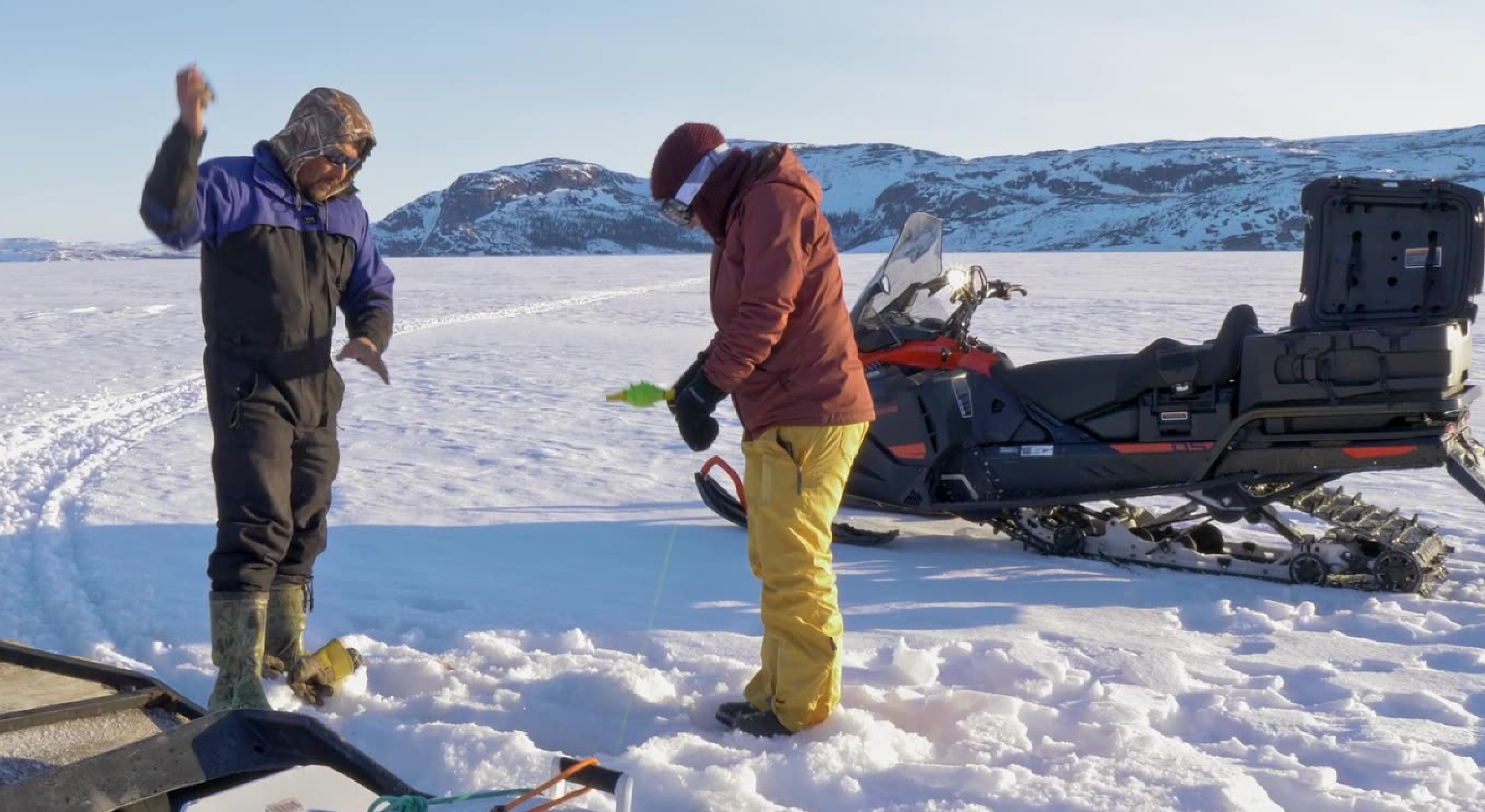
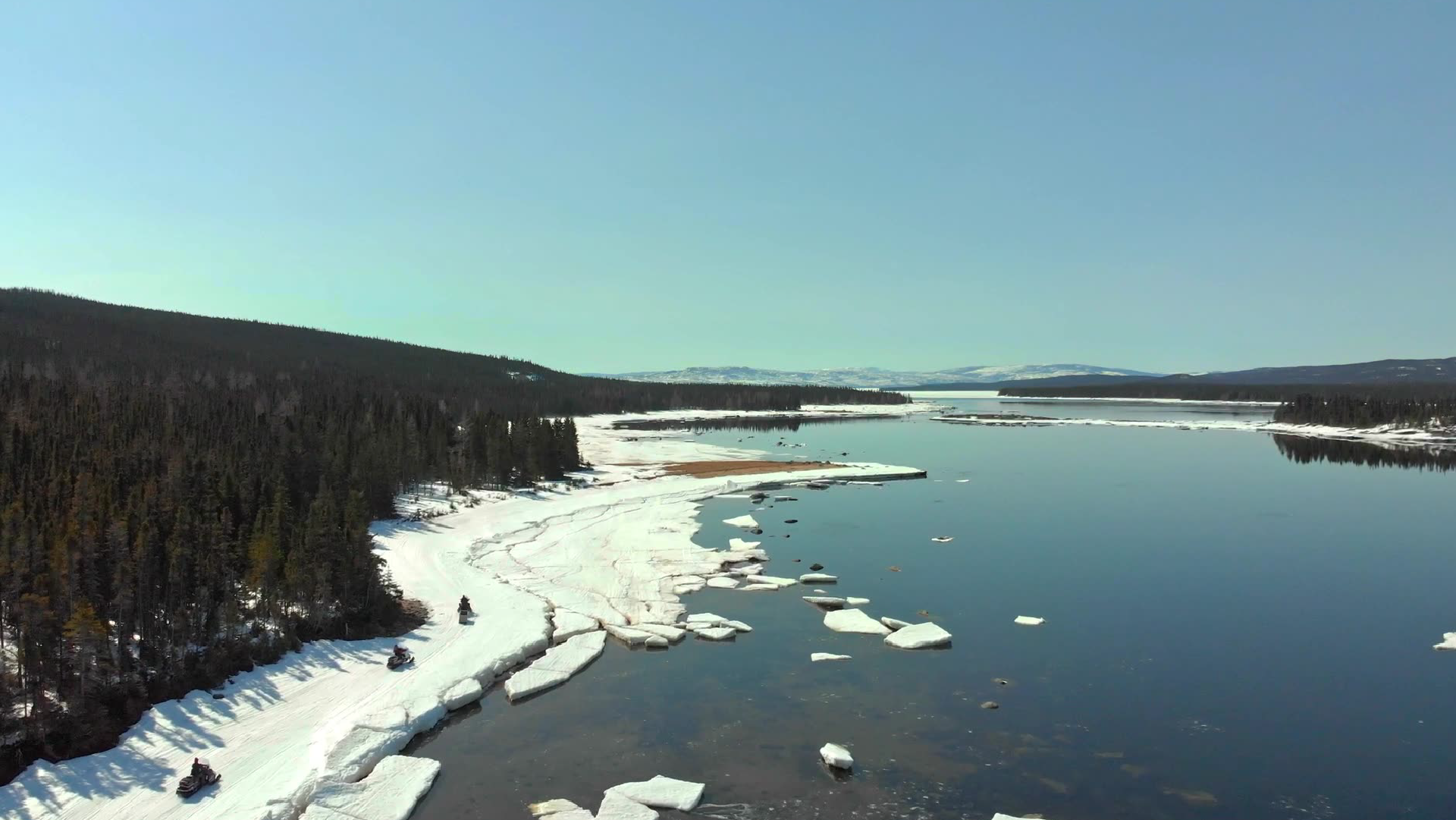
IlinniaKatigennik (Learning Together) is a collection of 6 films centred around life in the northern communities of Nunatsiavut. These films explore themes of sea ice, climate change, human connections with land and wildlife, and the interconnectedness of all life on Earth through an Indigenous lens.
As a Canadian science educator, one of my main priorities in class is to find ways to make science both REAL and RELEVANT for my students–more than just information in a book or knowledge outcomes to be memorized. Resources like the Nunatsiavut collection provide an interesting, engaging, and relevant way to connect students to nature and science both here at home in Canada and on a global scale.
A versatile film collection
One of the best features of a film collection like this one is versatility; the collection can be explored whole over a series of lessons, or in bite-sized pieces as single activities or mini-lessons. The included activities are rich in learning opportunities across curricular areas, easy to use without a lot of pre-work, and adaptable for any age group (think exploring bird camouflage with an elementary class versus studying sound waves in high school physics). There are also a myriad of other learning activities that teachers can customize to suit their curriculum and link back to these resources. From mapping community connections to designing a scientific investigation, IlinniaKatigennik (Learning Together) will capture your class’s interest while engaging them meaningfully in the ways of knowing of the Inuit people.
Here’s a snapshot of how I used this collection in my high school biology and chemistry classes this semester in Edmonton, Alberta.
I chose to start by using the lab activity Changing Nunatsiavut as a jumping-off point for further exploration. In biology, we discuss energy transfer in the biosphere (a part of which centres on ocean currents), and in chemistry we spend a whole unit exploring solutions and concentration. Both of these learning outcomes lend themselves to the Changing Nunatsiavut lab, and I only made minor tweaks to the provided activity in order to make it fit each curriculum. This lab has students visually explore how salt and fresh water mix (or don’t mix) at different temperatures, then links the experiment to ocean currents and marine life.
My goal in testing the Learning Together resources was to set up and use one activity from the collection as an opportunity for both formative and summative assessment of my whole classes, then to allow students to choose another activity from the collection to explore for fun (and for use in their science journals). We took a whole class block (84 minutes) to complete the Changing Nunatsiavut lab activity and analysis (including watching the associated film), then used another block and a half over the following days to explore the Egg-sploring Islands, Seal!, and Working Together activities.
On day 2, students decided whether they wanted to work independently or in groups and chose an activity accordingly. I set up stations for each of the three activities so that the students could take them on without needing a lot of input from me, which worked well once we got everyone grouped.
On day 3, I re-grouped students together so that they could share their activities and findings with their peers. Each student was given 2-3 minutes to summarize their activity, showcase their work, and share something they took away from the previous day. Finally, students wrote a reflection in their science journals about what they learned over the three days, how this learning applies to both scientific study and global perspectives, and further questions that arose throughout the lessons that they would like to explore more.
Student-centered learning
This approach worked really well with my classes, as they appreciated the chance to follow their own interests while still situating their learning in the required subject area. After the activities my students shared that they loved learning about how other people in Canada live, specific animal behaviour, current research, as well as enjoying the Inuktitut language included in the various activities. I am also planning to re-visit this collection again throughout the remainder of the semester–with my current group of biology students, we’ll be practicing citizen science while monitoring ice melt with the Melting Highways activity in the spring. I’m hoping to add a coding element to the activity by having students use micro:bits to safely monitor ice thickness. In IB chemistry, one of our major themes is global citizenship, so we will be digging into how the choices we make here in Alberta affect communities far away from us (focused on pollution, emissions, and microplastics). In future years, I’m excited to collaborate with other teachers at my school for some cross-curricular learning using this resource in multiple subject areas.
Want to try out this lesson? Here's our list of resources!
Useful Links:
Ocean School - IlinniaKatigennik (Learning Together) Collection: IlinniaKatigennik (Learning Together)
Ocean School - Changing Nunatsiavut: Changing Nunatsiavut | Ocean School
Ocean School - Seal!: Seal! | Ocean School
Ocean School - Working Together: Working Together | Ocean School
Ocean School - Melting Highways: Melting Highways | Ocean School
About Alyssa de Leon
Alyssa de Leon (she/her) is a secondary Science teacher near Edmonton, AB. She is inspired in work and play by all of the wonderful adventures that Alberta has to offer, and can be found hiking, rock climbing and stargazing when she’s not in the classroom. She shares her passion for the natural world with her students by connecting classroom science with current research, social and climate justice initiatives, and participating in local citizen-science activities. Having recently completed a master’s degree in Museum Education, Alyssa’s next projects involve finding new ways to engage students in the many incredible heritage institutions in her province and beyond. Alyssa can be contacted by email at: alyssadeleon003@gmail.com.